Every Patient Becomes an Athlete
of Their Own Recovery
Technology + Sports Medicine = Personalized Healthcare for All
Transforming elderly care and cancer rehabilitation with elite athletic science—precision monitoring, AI analytics, and personalized recovery protocols that preserve strength, vitality, and independence.
Precision Health for Those Who Need It Most
Sports medicine technology is revolutionizing care for two rapidly growing populations facing unique physical challenges
The Elderly
Preserving Independence & Active Aging
- Combat mobility decline and sarcopenia
- Reduce fall risk through AI gait analysis
- Maintain strength with smart resistance systems
- Monitor vitals continuously for early intervention
- Enable safe home-based rehabilitation
Cancer Patients
Building Resilience & Recovery
- Manage treatment-related fatigue scientifically
- Prevent muscle loss during therapy
- Restore cardiopulmonary capacity
- Personalize recovery using HRV and strain metrics
- Optimize rehabilitation timing and intensity
Elite Athletic Science Meets Clinical Care
Seven breakthrough technologies transforming rehabilitation and longevity medicine
Precision Monitoring
Wearable biosensors track HRV, VO₂ max, gait symmetry, and muscle activity in real time—revealing subtle functional declines before symptoms appear.
Fall Prevention Analytics
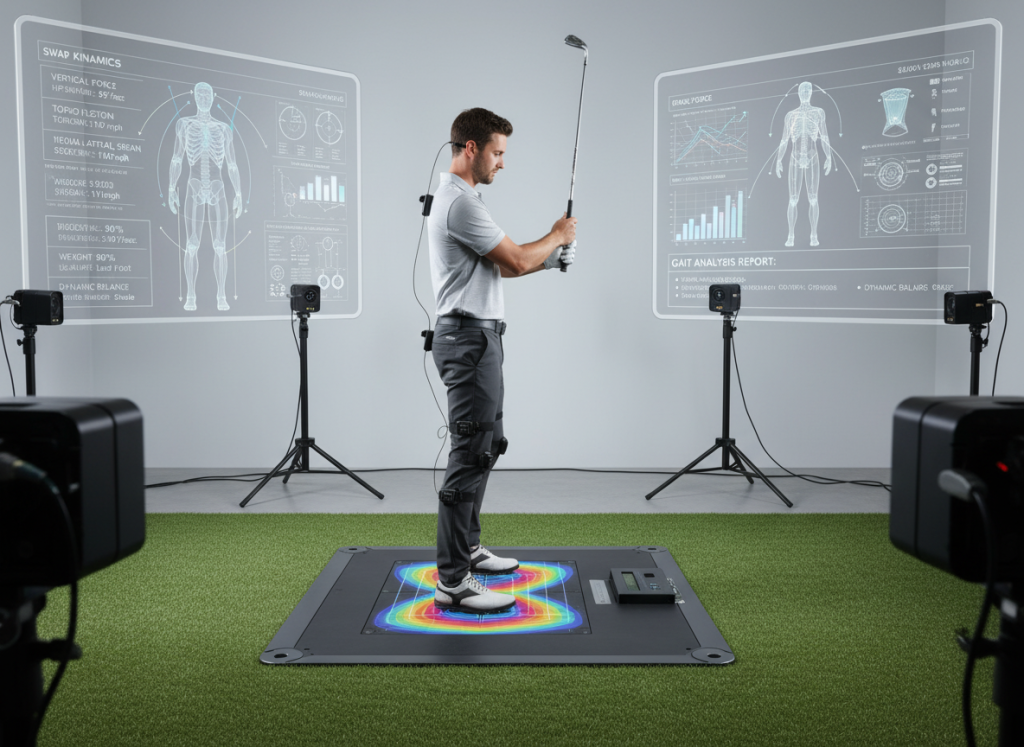
Computer vision and pressure sensors detect gait instability and postural asymmetry months before falls occur, enabling targeted prevention.
Smart Resistance Training
AI-guided systems like Tonal track muscle output and ensure safe load progression—critical for preventing sarcopenia without joint strain.
Recovery Optimization
Sports performance models adapted for clinical use—recovery scores, sleep staging, and strain metrics guide personalized exercise intensity.
Tele-Rehabilitation
AI-enabled platforms use smartphone cameras for motion tracking and virtual coaching, bringing expert guidance directly to patients' homes.
Cognitive Integration
HRV biofeedback, guided breathing, and mental resilience training mirror Olympic recovery programs—addressing both physical and emotional health.
Predictive Health AI
Digital twin technology merges biometric, clinical, and behavioral data to predict overexertion, muscle decline, or depression before they occur.
Proven Results from Leading Institutions
Seven case studies demonstrating measurable clinical impact across diverse populations
WHOOP & Fatigue Tracking in Oncology Survivors
AI Motion Capture for Fall Risk Prediction
Resistance Training in Prostate Cancer on ADT
HRV-Guided Exercise in Breast Cancer Survivors
Remote Physio with Computer Vision
Every Patient Becomes an Athlete
of Their Own Recovery
Technology + Sports Medicine = Personalized Healthcare for All
Transforming elderly care and cancer rehabilitation with elite athletic science—precision monitoring, AI analytics, and personalized recovery protocols that preserve strength, vitality, and independence.
Precision Health for Those Who Need It Most
Sports medicine technology is revolutionizing care for two rapidly growing populations facing unique physical challenges
The Elderly
Preserving Independence & Active Aging
- Combat mobility decline and sarcopenia
- Reduce fall risk through AI gait analysis
- Maintain strength with smart resistance systems
- Monitor vitals continuously for early intervention
- Enable safe home-based rehabilitation
Cancer Patients
Building Resilience & Recovery
- Manage treatment-related fatigue scientifically
- Prevent muscle loss during therapy
- Restore cardiopulmonary capacity
- Personalize recovery using HRV and strain metrics
- Optimize rehabilitation timing and intensity
Elite Athletic Science Meets Clinical Care
Seven breakthrough technologies transforming rehabilitation and longevity medicine
Precision Monitoring
Wearable biosensors track HRV, VO₂ max, gait symmetry, and muscle activity in real time—revealing subtle functional declines before symptoms appear.
Fall Prevention Analytics
Computer vision and pressure sensors detect gait instability and postural asymmetry months before falls occur, enabling targeted prevention.
Smart Resistance Training
AI-guided systems like Tonal track muscle output and ensure safe load progression—critical for preventing sarcopenia without joint strain.
Recovery Optimization
Sports performance models adapted for clinical use—recovery scores, sleep staging, and strain metrics guide personalized exercise intensity.
Tele-Rehabilitation
AI-enabled platforms use smartphone cameras for motion tracking and virtual coaching, bringing expert guidance directly to patients' homes.
Cognitive Integration
HRV biofeedback, guided breathing, and mental resilience training mirror Olympic recovery programs—addressing both physical and emotional health.
Predictive Health AI
Digital twin technology merges biometric, clinical, and behavioral data to predict overexertion, muscle decline, or depression before they occur.
Proven Results from Leading Institutions
Seven case studies demonstrating measurable clinical impact across diverse populations