
Strategic AI Automation for Small Business
Athena Fusion Solutions helps organizations implement practical AI systems, workflow automation, operational intelligence, and scalable AI transformation strategies that improve efficiency, decision-making, customer experience, and measurable business outcomes.


What Modern AI Automation Actually Means
Modern workflow automation goes far beyond chatbots. Today small businesses can automate complete pipelines with low-code tools — no development team required.
Full-Pipeline Tools
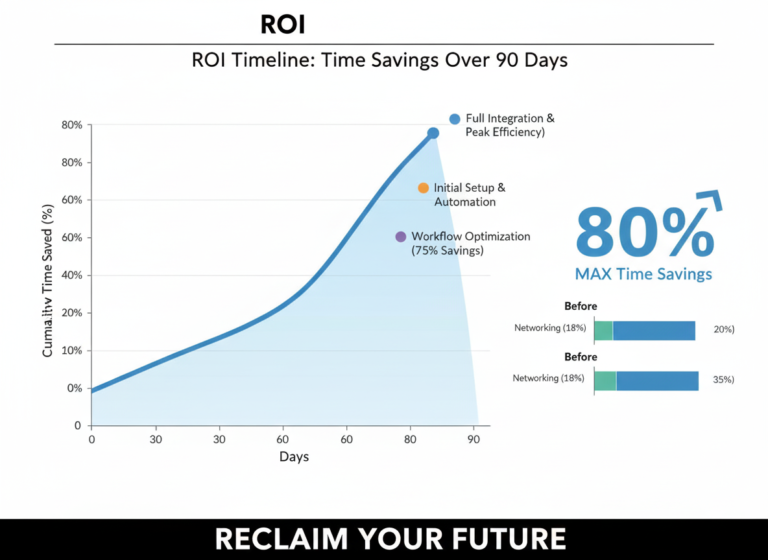
Real-World Impact
- 50–80% less manual work
- Proposals in minutes
- Enterprise execution
- 24/7 automation
Sources: Harvard Business Review · MIT Sloan
Revenue & Sales Operations
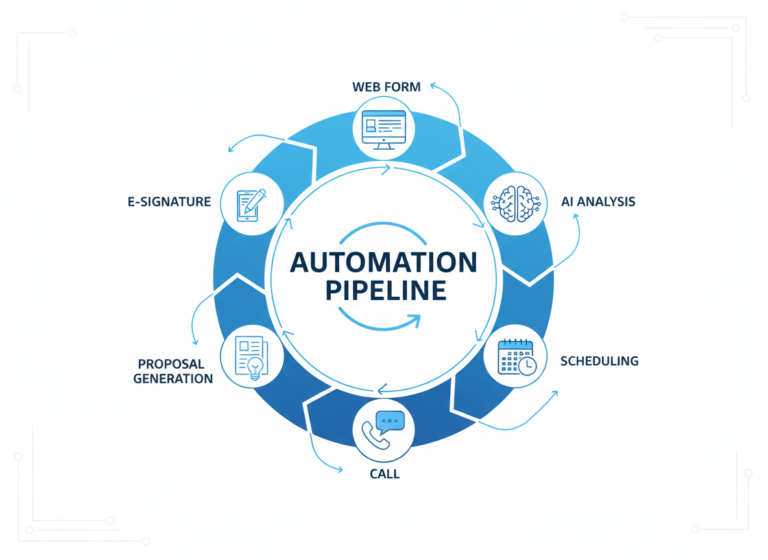
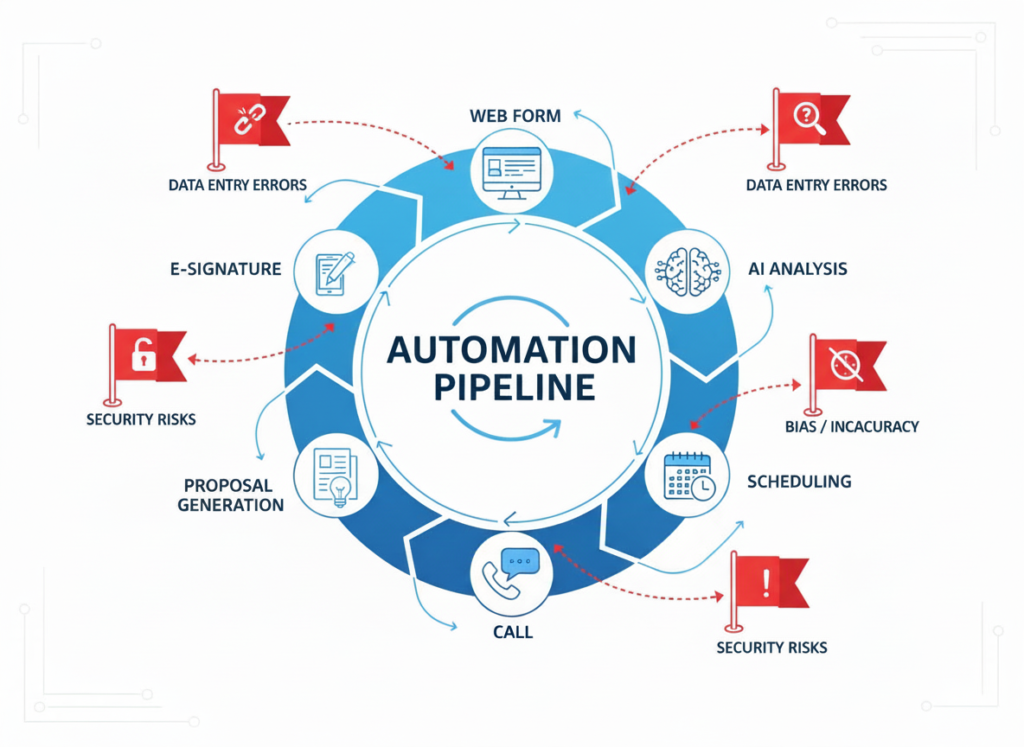
These workflows move a lead from inquiry to signed contract with minimal manual intervention — reducing response time while maintaining consistent messaging.
- Lead-to-Proposal Autopilot — Form triggers qualification, discovery questions, and a drafted proposal.
- Dynamic Quote Builder — SKU changes trigger margin recalc and formatted PDF.
- Grant-Finder Bot — Weekly schedule matches funding to keywords and sends a digest.
Product & R&D Automation
In regulated industries — healthcare, defense, aerospace — automation isn't just efficiency. It becomes a competitive advantage through compliance monitoring, audit readiness, and faster reporting cycles.
Specialized automation improves speed and creates measurable differentiation, particularly when competitors are still operating manually.
Reference: FDA Digital Health Center of Excellence →

Customer Success & Service
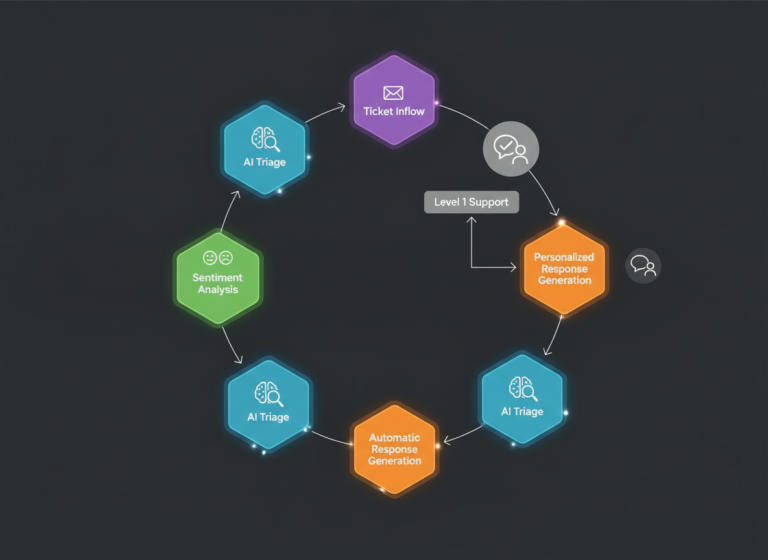
The support queue is often a business's largest time drain — and the most automatable. When a ticket arrives, AI can triage it, assess sentiment, route it, and draft a response before a human ever touches it.
Result: faster first response, more consistent communication, and support staff freed to handle complex issues that require human judgment.
Trend tracking: Gartner Customer Service Research →
Compliance & Risk Monitoring
Staying ahead of regulatory changes and contract obligations is a full-time job — unless you automate it.
- Regulatory watcher — scans updates and surfaces only relevant excerpts
- Quality non-conformance detection — flags missing labels or process steps
- Contract renewal alerts — prevent revenue leakage
- Audit log automation — reduces SOC2 / ISO reporting prep time
Resource: Compliance Week →
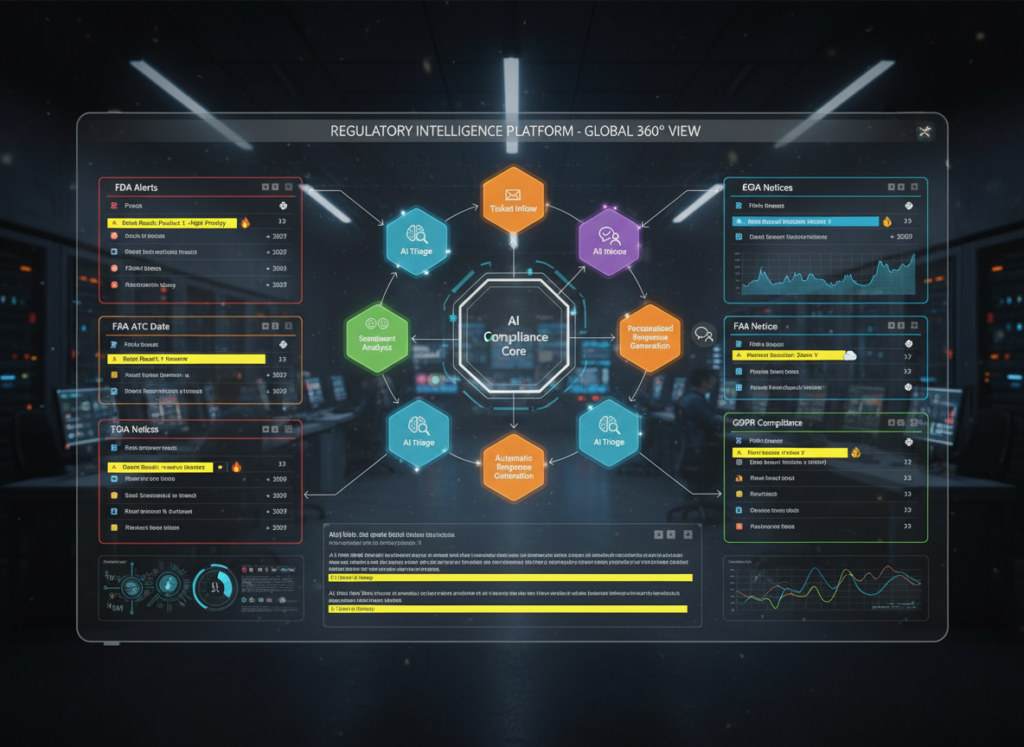
 Figure 7.
The Neural Network: AI’s central intelligence layer connecting compliance,
monitoring systems, and enterprise automation.
Figure 7.
The Neural Network: AI’s central intelligence layer connecting compliance,
monitoring systems, and enterprise automation.


How to Start — Without Hiring a Developer
The fastest path is a small, measurable pilot — not a massive "digital transformation." You build momentum by automating 1–3 bottlenecks with obvious value.
Choose workflows with clear triggers and measurable outputs. If you can't measure success, you can't scale it.
30-Day Roadmap
A practical week-by-week plan that builds momentum without overwhelming your team.
- Proposal turnaround 3+ days
- Manual data entry between systems
- Missed follow-ups
- Invoice multi-touch processing
- Repetitive support questions
- Zapier / IFTTT — basic connections
- Make / n8n — complex workflows
- HubSpot — CRM automation
- Airtable / Notion — databases
- PandaDoc — docs + e-sign
- One automation per bottleneck
- Start small, then expand
- Remove one clean manual step
- Document each workflow
- Test edge cases thoroughly
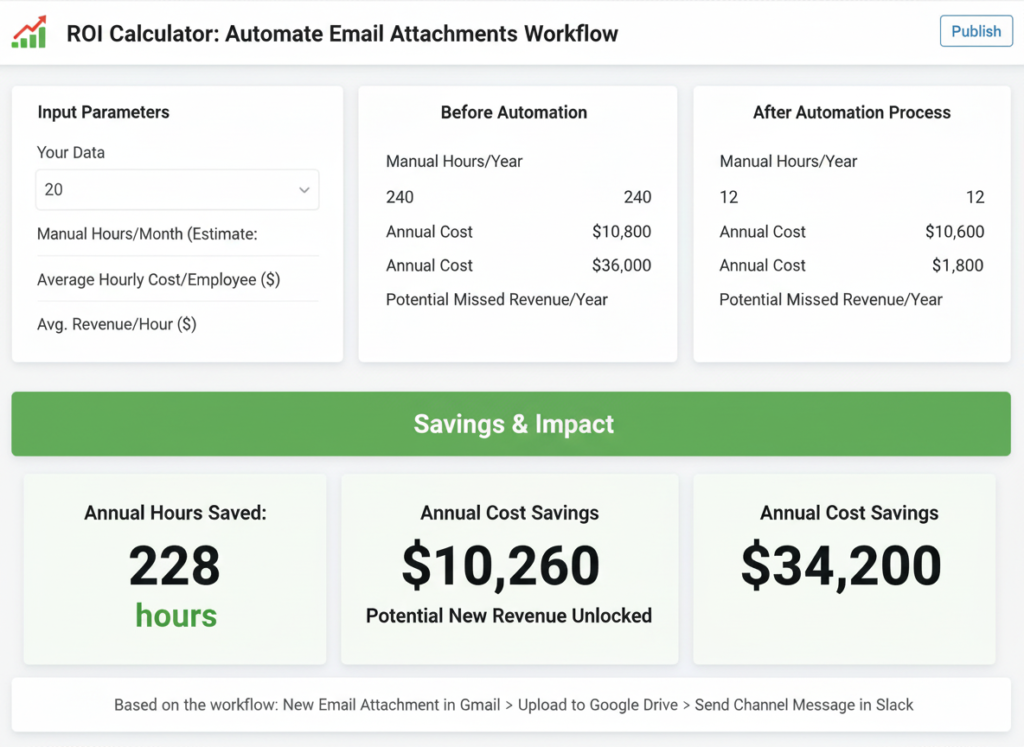
- Time recovered = hours × cost
- Revenue lift from faster response
- Capacity gain, same headcount
- Error rate reduction
- Document ROI for scaling
Week 2 Tool Selection Guide
| Use Case | Best Tools | Starting Price |
|---|---|---|
| Basic app connections | Zapier, IFTTT | Free – $20/mo |
| Complex workflows | Make, n8n | $9 – $29/mo |
| CRM automation | HubSpot | Varies by plan |
| Database workflows | Airtable, Notion | Free – $20/mo |
| Docs + e-sign | DocuSign, PandaDoc | $10 – $40/mo |
Common Implementation Mistakes
Most automation failures are predictable and preventable. These are the five most common reasons implementations stall or reverse:
Automating broken processesFix the workflow first, then automate it.
Over-automating too soonStart with 1–3 high-impact workflows, not twenty.
Ignoring the human elementAlways include a manual override and escalation path.
Not documenting workflowsBasic documentation prevents catastrophic failure later.
Failing to monitorAlerts, logs, and monthly reviews keep systems reliable.
Do I need a developer to automate workflows?
No. Many high-impact automations can be built using Zapier, Make, Airtable, and HubSpot without coding. Developers become useful later for complex integrations and agent-based systems.
What workflows should I automate first?
Start with lead follow-up, proposal generation, invoice processing, content repurposing, and customer support triage.
How do I measure ROI?
Track time saved, reduction in errors, response speed improvements, and incremental revenue from faster execution cycles.
Product & R&D Automation
In regulated industries — healthcare, defense, aerospace — automation isn't just efficiency. It becomes a competitive advantage through compliance monitoring, audit readiness, and faster reporting cycles.
Specialized automation improves speed and creates measurable differentiation, particularly when competitors are still operating manually.