The Human-Centered AI Framework for Hospitality
A system-level architecture for integrating artificial intelligence into luxury hospitality environments—improving operations, personalization, and performance while preserving service quality, staff engagement, and guest trust.
A System-Level Approach to AI Integration
This is not a collection of tools or vendor solutions. It is a structured operating model that defines how artificial intelligence is introduced, governed, and scaled within complex hospitality environments.
Most AI initiatives fail because they are deployed as isolated technologies rather than integrated systems. Without alignment across people, processes, and data, even advanced solutions deliver limited value.
The Athena Human-Centered AI Framework addresses this by treating AI as an operational layer embedded within the organization—not as an external tool.
The Framework Defines:
- Where AI should be applied for maximum impact
- How systems integrate across departments and workflows
- How staff interact with and adopt AI-driven tools
- How data flows across the organization securely and efficiently
- How performance and ROI are measured from the outset
The Five-Layer Human-Centered AI Framework
Effective AI adoption in hospitality requires more than automation. It requires an integrated architecture that connects guest experience, staff workflows, data systems, intelligence, and governance.
AI Must Be Designed Around the Service Model
Luxury hospitality depends on trust, timing, personalization, and emotional intelligence. AI should not interrupt that model. It should strengthen the people, systems, and decisions that make exceptional service possible.
The framework therefore begins with the guest and staff experience, then works downward into intelligence, data, integration, and governance. This keeps AI aligned with service quality rather than isolated technical performance.
The goal is not to make hospitality feel automated. The goal is to make operations more intelligent while preserving the human character of the experience.
How It Works in Practice: Housekeeping Optimization
Housekeeping is one of the clearest places where AI can create measurable value without compromising the human character of hospitality. Room readiness, staffing pressure, guest arrival timing, maintenance issues, and communication delays all converge in this workflow.
A human-centered AI approach does not replace the housekeeping team. It improves visibility, coordination, and decision support so supervisors and staff can act faster, prioritize better, and reduce operational friction.
The system supports staff decisions. It does not override them. Human judgment remains central while AI improves timing, workload balance, and operational awareness.
AI-Enabled Housekeeping Workflow
Predict Room Readiness
Use arrival patterns, checkout status, cleaning duration, room type, and maintenance signals to forecast when rooms are likely to be ready.
Prioritize High-Impact Tasks
Help supervisors sequence rooms based on guest arrival windows, VIP status, operational urgency, and service expectations.
Coordinate Across Departments
Improve communication between housekeeping, front desk, maintenance, and guest services so delays are visible earlier.
Measure Operational Impact
Track room turnaround time, staff workload balance, guest wait time, service recovery events, and supervisor intervention rates.
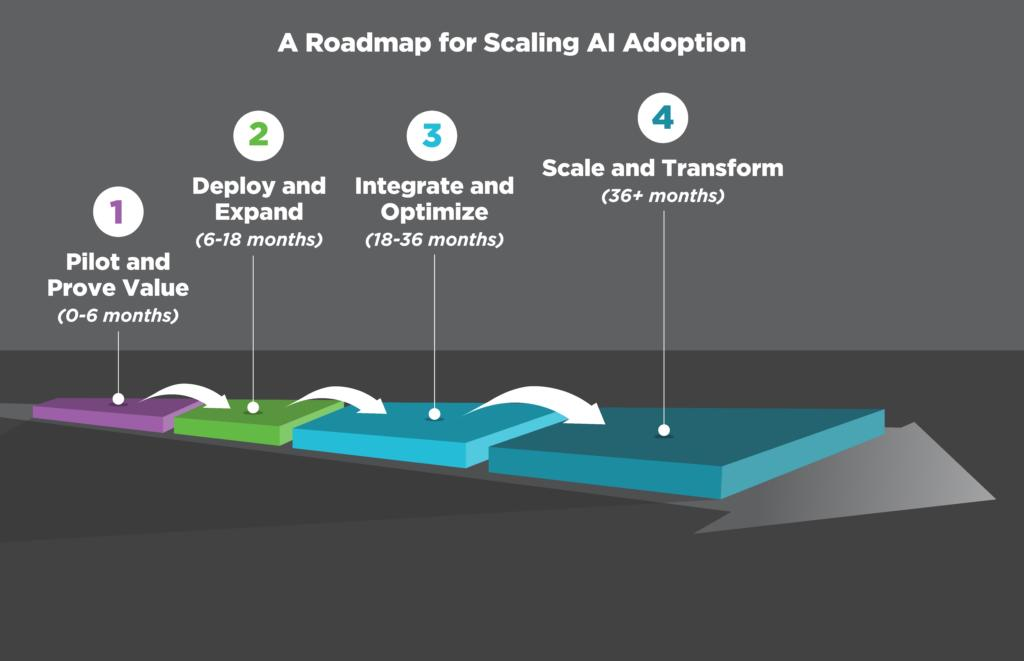
Start Small. Prove Value. Scale Intelligently.
The framework avoids large, risky AI deployments. Instead, it uses focused pilots to validate operational impact, staff adoption, guest experience improvement, and financial return before broader rollout.
AI Should Be Validated Before It Is Scaled
Many organizations move too quickly from concept to enterprise deployment. That creates unnecessary risk, unclear accountability, and weak adoption across operating teams.
Athena’s approach begins with one high-friction workflow, establishes measurable success criteria, and uses the results to determine whether the initiative should be expanded, redesigned, or discontinued.
Scaling AI should be earned through evidence. The pilot is not a technical demo; it is a business validation process.
Where Value Is Created
Human-centered AI creates value when it improves the economics of operations while preserving the quality of service, trust, and staff engagement that define luxury hospitality.
Labor Efficiency
Reduce scheduling friction, repetitive coordination, manual reporting, and workflow delays while allowing staff to focus on higher-value guest-facing work.
Guest Spend & Retention
Improve personalization, timing, recommendations, wellness programming, and service recovery to increase loyalty and lifetime guest value.
Operational Friction
Identify bottlenecks earlier across housekeeping, front desk, maintenance, spa, food and beverage, and guest services.
Staff Productivity
Equip managers and teams with better information, faster prioritization, and clearer decision support without removing human judgment.
Every AI initiative should be tied to defined KPIs before scaling. The goal is not broad experimentation; it is measurable improvement in specific workflows.
Why This Framework Works When Others Fail
The Athena Framework is designed to avoid the most common failure pattern in AI adoption: deploying technology before defining the human, operational, and governance model around it.
- Technology-first: begins with software selection rather than business need.
- Large deployments: creates unnecessary risk before value is proven.
- Vendor-driven: optimizes around product capabilities rather than operating priorities.
- Unclear ROI: lacks defined metrics before implementation begins.
- Staff resistance: introduces AI as disruption rather than support.
- Human-centered: starts with the guest, staff, and service model.
- Micro-pilot based: validates value before broader scale-up.
- Advisor-led: independent guidance before vendor selection.
- Measured early: defines KPIs before technology is expanded.
- Staff-supported: positions AI as decision support, not replacement.
The difference is not simply technical. It is strategic: AI is treated as an operating capability that must be aligned with culture, trust, workflow, and measurable business outcomes.
Who This Framework Is For
This framework is designed for leaders responsible for service quality, operational performance, guest trust, and long-term differentiation.
It is especially relevant for organizations that want to explore AI without defaulting to vendor-first decisions, fragmented experimentation, or technology that disrupts the human character of the brand.
General Managers
Align AI with service standards, property performance, brand reputation, and operating discipline.
Operations Leaders
Identify workflows where AI can reduce friction, improve responsiveness, and strengthen coordination.
Wellness Directors
Use personalization, wearable data, and intelligent programming to elevate guest outcomes and engagement.
Ownership Groups
Evaluate AI as an investment discipline tied to ROI, differentiation, risk control, and scalable strategy.
A Different Way to Integrate AI
AI does not replace hospitality. It reshapes how hospitality is delivered, coordinated, measured, and improved.
The Athena Human-Centered AI Framework recognizes that luxury hospitality is built on trust, anticipation, timing, and human connection. AI should reinforce those qualities, not diminish them.
When implemented correctly, AI becomes an invisible operating layer: improving intelligence behind the scenes while allowing the guest experience to remain personal, warm, and distinctly human.
Recommendations for Resort Leaders
Leaders do not need to begin with a large AI transformation program. The better starting point is a disciplined, human-centered pilot tied to one operational pain point and one measurable business outcome.
- Start with a high-friction workflow: housekeeping, guest arrival coordination, spa scheduling, wellness personalization, or service recovery.
- Define the human role first: determine where AI supports staff judgment, where escalation is required, and where automation should be limited.
- Unify the minimum necessary data: connect only the systems required for the pilot before attempting enterprise-wide integration.
- Measure adoption and ROI together: track financial impact, staff acceptance, guest experience, and operational reliability.
- Scale only what proves value: expand initiatives that demonstrate measurable improvement and discontinue those that do not.
Conclusion
Human-centered AI gives hospitality leaders a practical path to improve operations, personalize service, and protect the human character of the guest experience. The strongest organizations will not be those that automate the most. They will be those that use AI selectively, intelligently, and responsibly.
For luxury resort executives, the shift from "lifespan" to "healthspan" represents the most significant revenue driver of the decade. As the wellness tourism market scales toward $1.3 trillion, the challenge is not just adopting AI, but doing so without eroding the high-touch prestige of the brand.
We treat technology as a collective endeavor rather than a top-down imposition. Inspired by Scandinavian organizational psychology, this approach prioritizes:
- "Fika" Style Workshops: Staff-led co-design sessions to ensure AI solves real workflow friction.
- Strategic Empathy: Automating the "robotic" tasks of hospitality to liberate staff for "emotional" guest connection.
- Psychological Safety: Reducing staff resistance by positioning AI as a tool for empowerment, not replacement.
Mitigation: 90-Day Micro-Pilots to validate ROI before full-scale capital deployment.
Mitigation: "AI with Heart" training & manual override triggers for all guest-facing bots.
Mitigation: Zero-Trust Architecture and PII tokenization for guest data security.
Identify top guest segments (e.g., Wellness Retiree) for initial AI personalization pilots.
Launch low-cost automation for high-margin workflows like spa upsells and heritage bookings.
Audit ancillary spend per night and staff hours saved to prove the business case.
Integrate winning features into the primary Guest App and Cloud PMS.
AI with Heart: A Bridge to Empathy
Luxury hospitality is built on craftsmanship and connection. We utilize a Scandinavian-inspired approach—treating technology as a collective endeavor. By automating routine tasks, your staff is liberated to focus on the high-touch, emotional interactions that define your brand.
- ✓ Co-Creation: Staff workshops (fika-style) to shape digital workflows.
- ✓ Zero-Trust Security: Protecting guest data while enabling seamless personalization.
- ✓ Reduced Friction: 65% reduction in manual queries, as seen in Posadas Hotels.
Executive Insight
"Innovation in heritage hospitality thrives when it prioritizes people—both staff and guests—before systems."
Technical & Strategic References
Athena Proprietary Frameworks
- Human-Centered AI Framework (2025) Core architectural model for integrating AI into hospitality operations while preserving service quality, staff engagement, and guest trust.
- 90-Day Micro-Pilot Protocol Structured validation model for testing AI in targeted workflows prior to enterprise scaling.
- AI–Human Experience Integration Model Framework for aligning staff workflows, guest personalization, and AI-driven decision support.
- Collective Adoption Model (Nordic-Inspired) Approach to technology deployment emphasizing staff participation, cultural alignment, and operational trust.
Industry Data & External Research
- Global Wellness Institute Wellness Tourism Economy reports indicate sustained high-growth trajectory, with global wellness tourism projected to exceed $1 trillion this decade.
- McKinsey – State of AI Research highlights measurable gains in personalization, operational efficiency, and decision support across service industries.
- Oracle Hospitality (OPERA Cloud) Demonstrates the role of integrated PMS/CRM systems in enabling data-driven guest experience and operational coordination.
- Deloitte Digital & Hospitality Insights Reports emphasize the importance of connected data ecosystems and personalization in modern guest engagement strategies.
- Longevity & Healthspan Trends Industry-wide shift toward preventative wellness, recovery optimization, and measurable health outcomes in travel experiences.
AI in Hospitality: Strategic Series
A structured body of work exploring how artificial intelligence is transforming luxury hospitality, operations, wellness, and guest experience.
The Human-Centered AI Framework for Hospitality
The governing architecture behind Athena’s approach to AI. This framework defines how artificial intelligence is introduced, validated, and scaled within hospitality environments while preserving service quality, staff engagement, and guest trust.
Explore the Framework →AI in Luxury Hospitality: Why HR Must Lead
Why successful AI adoption begins with people, culture, and organizational alignment.
Read Article →The Real ROI of AI in Wellness & Hospitality
A data-driven look at revenue impact, labor efficiency, and guest experience outcomes.
Read Article →AI for Luxury Resort Executives
Strategic guidance for leadership teams evaluating AI adoption and risk.
Read Article →The Future of Golf with AI
How AI is transforming golf operations, player experience, and resort monetization.
Read Article →Download The Human-Centered AI Framework for Hospitality
A system-level architecture for integrating artificial intelligence into luxury hospitality environments—improving operations, personalization, and performance while preserving service quality, staff engagement, and guest trust.
Foundational material clarifying how modern AI systems process information, represent meaning, generate outputs, and operate within broader strategic and applied environments.
Move from technical understanding to architecture, operating models, and implementation planning.
Request a Discussion