
AI-powered longevity resorts represent the next evolution of luxury hospitality — combining wearable technology, predictive wellness analytics, personalized recovery programs, and intelligent guest experiences into a continuous health optimization ecosystem.

Athena Fusion Solutions helps hospitality organizations design AI-enabled wellness environments that improve guest outcomes, increase retention, strengthen premium positioning, and create measurable operational ROI.

Executive Guide

Table of Contents

A structured executive path through the market shift, operating model, financial logic, and strategic implications of longevity-driven hospitality.

1
Executive Snapshot
High-level outcomes, positioning, and page overview
2
Market Shift & Strategic Context
Why longevity hospitality is emerging now
3
Longevity Experience Engine
The operating model behind wearable-informed personalization
4
Experience Design & Personalization Logic
How guest signals are translated into premium experiences
5
Wearable Intelligence Layer
The selected data inputs that matter operationally
6
Financial Model & ROI
Revenue impact, payback logic, and investment framing
7
Revenue Strategy & Pricing Model
Tiered experience monetization and yield expansion
8
Modeled Executive Case Study
Illustrative property scenario and business results
9
Operating Model Transformation
Before-and-after shift from static to adaptive hospitality
10
Strategic Implications for Leadership
Executive decisions, positioning, and competitive advantage
11
Implementation Model
Pilot-first deployment with measured expansion
12
Next Steps / Executive Engagement
NDA discussion, advisory pathway, and follow-on options
Executive Brief • Longevity Hospitality • AI Strategy

The Future of Luxury Resorts: From Amenities to Measurable Human Performance

The next generation of high-end resorts will not compete on services alone—but on quantifiable improvements in sleep, recovery, and long-term health. Early adopters of wearable-driven personalization are already achieving measurable gains in revenue per guest, retention, and experience differentiation.

Why This Matters

The Market Is Shifting from Wellness Experience to Measurable Outcome

The competitive landscape in hospitality and wellness is changing. Guests increasingly expect more than attractive amenities and generalized programming. They are looking for personalized, data-informed experiences that support recovery, resilience, sleep quality, performance, and long-term wellbeing.

At the same time, operators face pressure to differentiate, justify premium pricing, improve labor efficiency, and build deeper guest loyalty. This creates a strategic opening for resorts that can move beyond static wellness offerings and toward adaptive, intelligence-enabled service models.
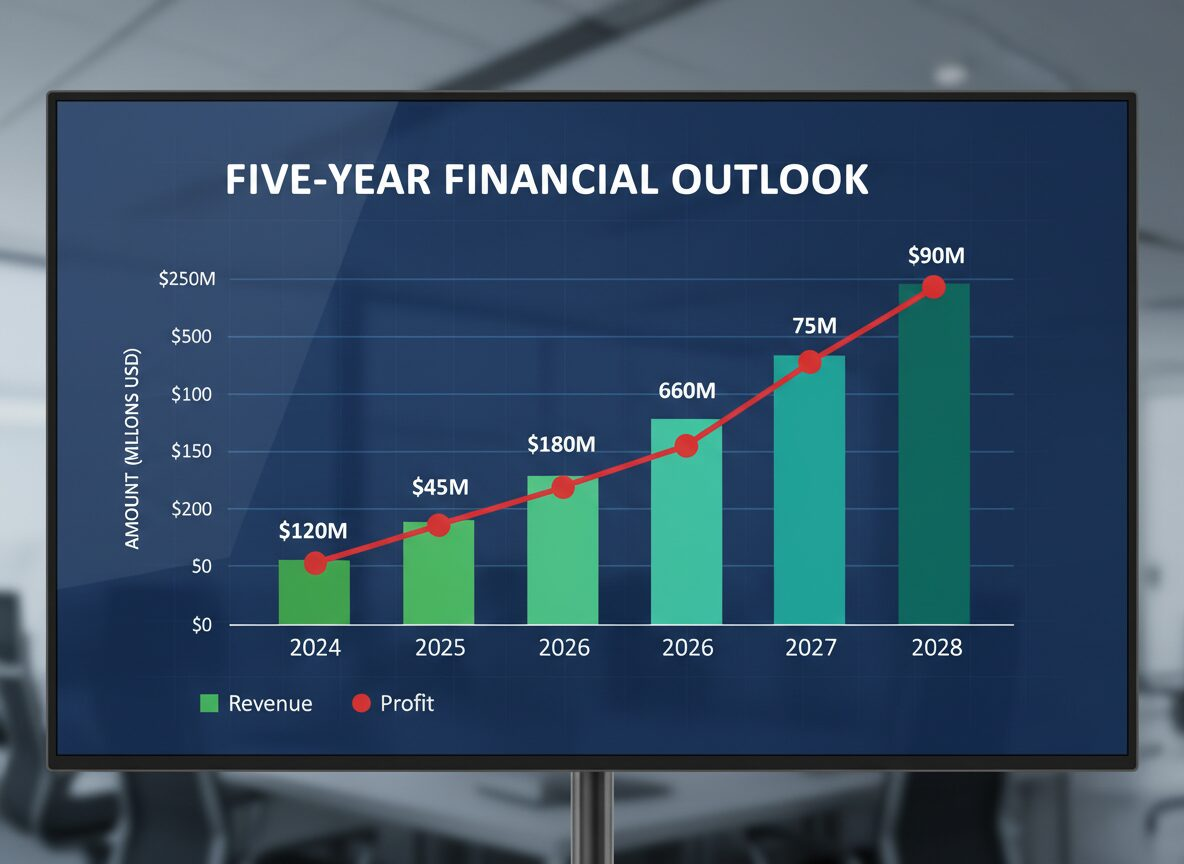
Five-year financial projection for AI-enabled wellness systems
Figure 1. Five-year projection illustrating how personalization, operational efficiency, and higher-value wellness programming can expand revenue and margin over time.
Revenue Expansion Personalized programs, premium recovery offerings, and measurable outcome positioning support stronger pricing power and higher guest spend.
Guest Retention Experiences tied to visible progress and individualized support create stronger loyalty and increase the likelihood of repeat visits.
Operational Precision Better data improves decision-making across staffing, intervention timing, program design, and guest engagement.
Strategic Differentiation Resorts that adopt this model can position themselves not simply as wellness destinations, but as platforms for long-term health, performance, and longevity.
Strategic implication: the shift is no longer about adding more wellness amenities. It is about building a system that can produce more personalized experiences, stronger business performance, and clearer long-term differentiation.

The Wearable Intelligence Layer

Effective implementation does not require complex data infrastructure—only a focused set of high-value signals:

  • Sleep quality and consistency
  • Heart Rate Variability (trend-based resilience)
  • Resting heart rate and recovery state
  • Strain vs readiness balance

The objective is not data collection—but actionable insight that directly informs guest experience.

Sleep Optimization

The Importance of Sleep Quality — and How Wearables Help Improve It

Sleep is one of the most important biological foundations of recovery, cognition, metabolic health, immune function, and long-term performance. In a longevity-focused model, it is not enough to know whether someone slept for seven or eight hours. What matters more is sleep quality—how restorative that sleep actually was.

Poor sleep quality is associated with reduced resilience, slower physical recovery, impaired decision-making, increased physiological stress, and weaker emotional regulation. Even when total sleep duration appears acceptable, fragmented sleep, inadequate deep sleep, or limited REM sleep can reduce the body’s ability to repair, regulate, and adapt.

This is where wearable technology becomes especially valuable. Rather than relying only on self-reporting, wearables provide continuous and objective signals that help identify whether sleep is truly restorative and what factors may be undermining it.

Sleep Duration vs. Sleep Quality Total hours slept matter, but quality determines whether the body and brain actually recover. A long night of poor sleep may be less restorative than a shorter night of high-quality sleep.
Recovery and Readiness Sleep is one of the strongest drivers of next-day readiness. When sleep quality drops, recovery scores, resilience, and performance capacity often decline with it.
Stress Regulation Inadequate or fragmented sleep often increases sympathetic nervous system activation, making it harder to regulate stress and harder for the body to return to a recovered state.
Personalized Intervention Wearables make it possible to tailor recommendations around bedtime routines, recovery intensity, room environment, relaxation protocols, and next-day activity based on the guest’s actual physiological state.
Strategic implication: sleep quality is not just a wellness metric. It is a high-value operational insight that can shape recovery programming, guest personalization, and measurable wellbeing outcomes across the stay.
How Wearables Assist in Sleep Optimization

Modern wearables help translate sleep into a usable intelligence layer by tracking patterns that guests cannot reliably detect on their own. These signals provide the basis for more personalized and effective interventions.

Metric 01 Sleep Duration

Measures how long the user slept and whether total sleep opportunity is sufficient for recovery.

Metric 02 Sleep Stages

Estimates time spent in light, deep, and REM sleep, helping identify whether restorative phases are being achieved.

Metric 03 Sleep Consistency

Tracks timing regularity across nights, which is often critical for circadian alignment and sustained recovery.

Metric 04 Nighttime Heart Rate & HRV

Provides insight into autonomic recovery during sleep and can help signal whether the body is under elevated strain.

Metric 05 Respiratory and Disturbance Patterns

Can help identify restless sleep, awakenings, and possible disruptions that reduce restorative value even when total hours appear adequate.

Metric 06 Actionable Guidance

When combined with analytics, wearable data can inform recommendations on recovery intensity, bedtime behavior, stress reduction, environment, and next-day program design.

Figure X. Wearable-derived sleep metrics can help translate overnight physiology into actionable guidance for recovery, readiness, and long-term wellbeing optimization.
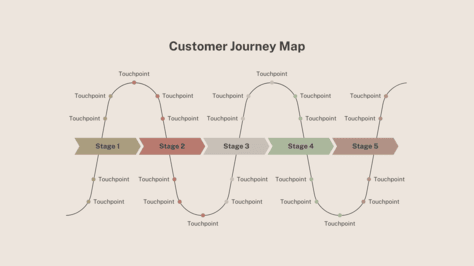
Personalized guest journey and hotel operations diagram
Figure 2. A personalized experience engine coordinates guest data, operational workflow, and adaptive interventions across the stay.
The power of the model lies in orchestration. Guest context, biometric signals, staff workflow, and service delivery are connected into one system so that personalization happens consistently rather than relying on isolated manual decisions.
Key point: personalization becomes scalable only when guest insight and operational execution are linked together.
Personalized Experience Engine

Designing Adaptive Guest Journeys Across the Entire Stay

A personalized experience engine translates guest data into coordinated action across the full journey—before arrival, during the stay, and after departure. The result is a more responsive, more premium, and more measurable experience.

This system can shape schedules, recommend interventions, sequence recovery experiences, support staff decision-making, and maintain continuity after the guest leaves the property.

Pre-Arrival Intelligence Preferences, goals, and wearable data inform preparation before the guest arrives.
In-Stay Adaptation Programming adjusts based on readiness, recovery, stress, and engagement patterns.
Staff Enablement Teams receive clearer context so service remains high-touch but better informed.
Post-Stay Continuity Recommendations and remote engagement extend the relationship beyond the visit.
Enterprise Architecture

Enterprise Longevity Intelligence Architecture

Delivering a differentiated longevity experience requires more than standalone wearables, dashboards, or wellness programming. It requires a cohesive intelligence architecture that captures biometric signals, interprets them in context, and translates them into coordinated interventions across the full guest journey.

In this model, the resort evolves from a provider of isolated services into an adaptive platform for recovery, performance, and healthy aging. Data moves continuously from sensing to inference to orchestration, enabling measurable personalization while improving operational precision and long-term scalability.

Data Acquisition Layer Wearables, biosensors, guest inputs, and contextual signals capture continuous information on recovery, sleep, stress, readiness, movement, and physiological state.
Edge Processing Layer Local processing enables faster signal interpretation, low-latency decision support, and anomaly detection closer to the point of service.
Core Intelligence Layer Multi-modal AI models synthesize biometric, behavioral, and environmental data into actionable insight, predictive scoring, and personalization logic.
Cloud, Learning & Digital Twin Layer Centralized analytics, longitudinal trend analysis, digital twin modeling, and continuous learning improve recommendations over time at both the guest and enterprise levels.
Strategic implication: this is not a technology stack added onto hospitality. It is a platform architecture that supports measurable personalization, stronger guest outcomes, and a defensible position in the emerging longevity economy.
Core AI Engine: multi-modal intelligence synthesizes biometric, behavioral, and contextual data into personalized recommendations and decision support. CORE AI ENGINE Edge Processing Layer: low-latency inference, anomaly detection, and rapid signal interpretation close to the guest. EDGE AI PROCESSOR Cloud AI Layer: large-scale inference, continuous learning, and enterprise orchestration across the platform. CLOUD AI INFERENCE Wearable Devices: continuous capture of recovery, movement, readiness, and physiological signals. WEARABLE DEVICES Body Area Network: short-range connectivity linking sensors, devices, and local processing. BODY AREA NETWORK Biosensors: ECG, EEG, IMU, and related physiological sensing inputs. BIO SENSORS ECG / EEG / IMU AR/XR Interface: immersive output and guest-facing interaction layer. AR / XR INTERFACE Digital Twin Layer: evolving guest model used for prediction, personalization, and longitudinal optimization. DIGITAL TWIN Connectivity Layer: high-speed data transport between edge, cloud, and experience systems. 6G / LINK CONNECTIVITY Security and Privacy Layer: encryption, access control, governance, and trust safeguards across the architecture. SECURITY & PRIVACY REAL-TIME NEURAL PROCESSING PIPELINE
System operational · 6-layer architecture · digital twin sync active
Figure 3. Enterprise longevity intelligence architecture linking wearable sensing, edge processing, core AI, cloud learning, digital twin capability, secure data governance, and adaptive guest-facing orchestration.

How to read the diagram: wearable and biosensor signals enter through the sensing layer, are filtered and interpreted at the edge, then elevated into a core AI environment where multi-modal decision logic and personalization models operate in real time.

The upper-right components represent enterprise expansion capabilities—cloud learning, digital twin development, and advanced connectivity—while the lower security layer reinforces that privacy, trust, and governance remain foundational rather than optional.

Financial Model

Quantifying the ROI of Wearable-Driven Personalization

The financial impact of longevity-focused personalization is driven by improved experience matching, increased premium service uptake, and stronger guest retention. The model below reflects conservative, real-world ranges observed across wellness and hospitality transformation initiatives.

Modeled Property Assumptions

  • 120-key luxury wellness resort
  • Average Daily Rate (ADR): $850
  • Average ancillary spend: $250–$400 per guest
  • Occupancy: 65–75%
  • Target segment: premium wellness / longevity travelers

Primary Value Drivers

  • +10–15% increase in ancillary wellness revenue
  • +10–18% improvement in program participation
  • +5–10% increase in guest retention / repeat visits
  • Operational efficiency through better scheduling alignment
$1.2M–$2.8M
Annual Incremental Revenue
5–11 mo.
Estimated Payback Period
3–5x
Return on Pilot Investment
+15–25%
Guest Satisfaction Impact
Interpretation: For a 120-key property, even modest improvements in experience matching and participation can produce seven-figure incremental revenue annually. The majority of value is driven by better utilization of existing premium services—not the introduction of new offerings.
Reference context: Estimates are informed by industry benchmarks from Global Wellness Institute (wellness tourism growth and spend), McKinsey & Company (consumer wellness behavior and willingness to pay), and operator case data across hospitality and wellness platforms showing 10–17% revenue uplift from personalization and digital enablement initiatives. These figures are modeled for directional planning and should be validated through pilot deployment.

The Business Case: ROI and Measurable Impact

Wearable-driven personalization creates value across three primary levers:

  • Revenue Expansion: Increased participation and premium experience uptake
  • Operational Efficiency: Reduced scheduling friction and staff rework
  • Retention & Loyalty: Post-stay continuity and measurable outcomes
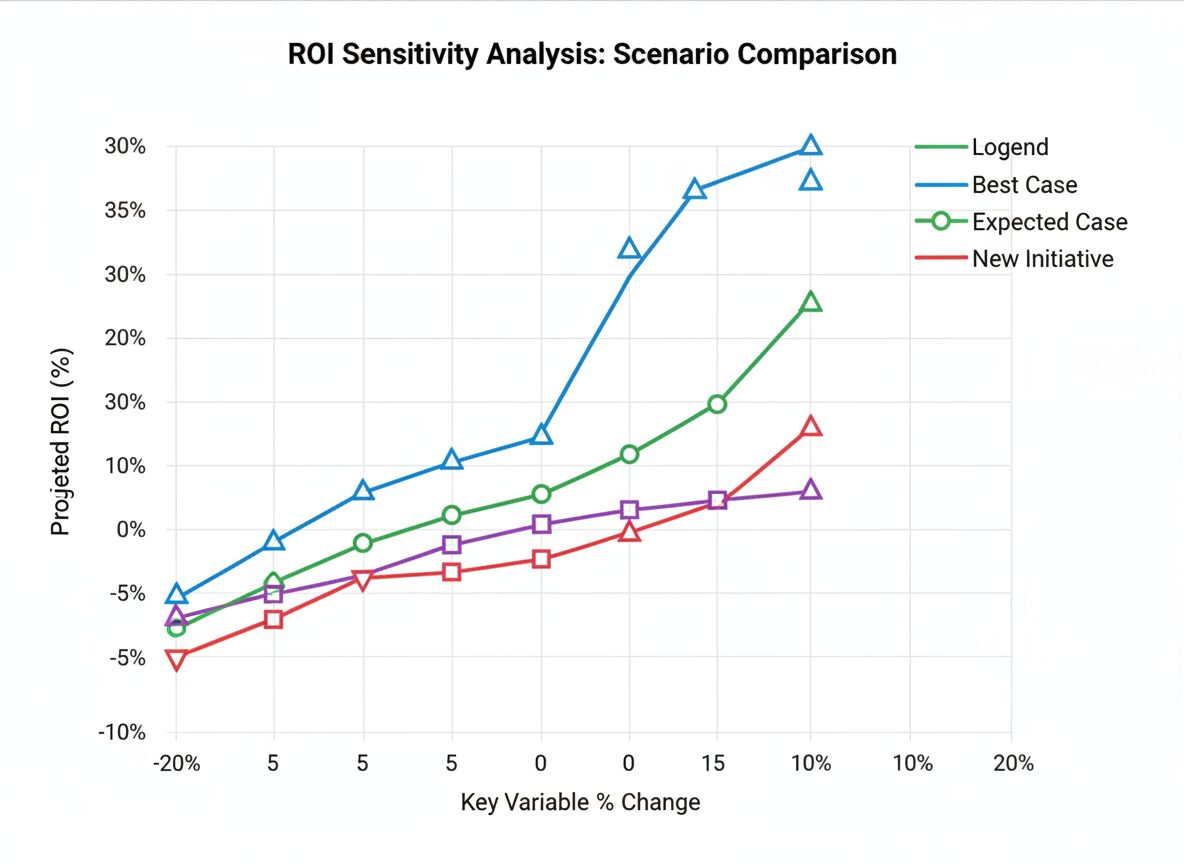
Typical payback period: 5–11 months depending on implementation scope.
Figure 4: ROI sensitivity analysis across implementation scenarios.
ROI & Business Case

Measurable Returns from Intelligent, Wearable-Driven Systems

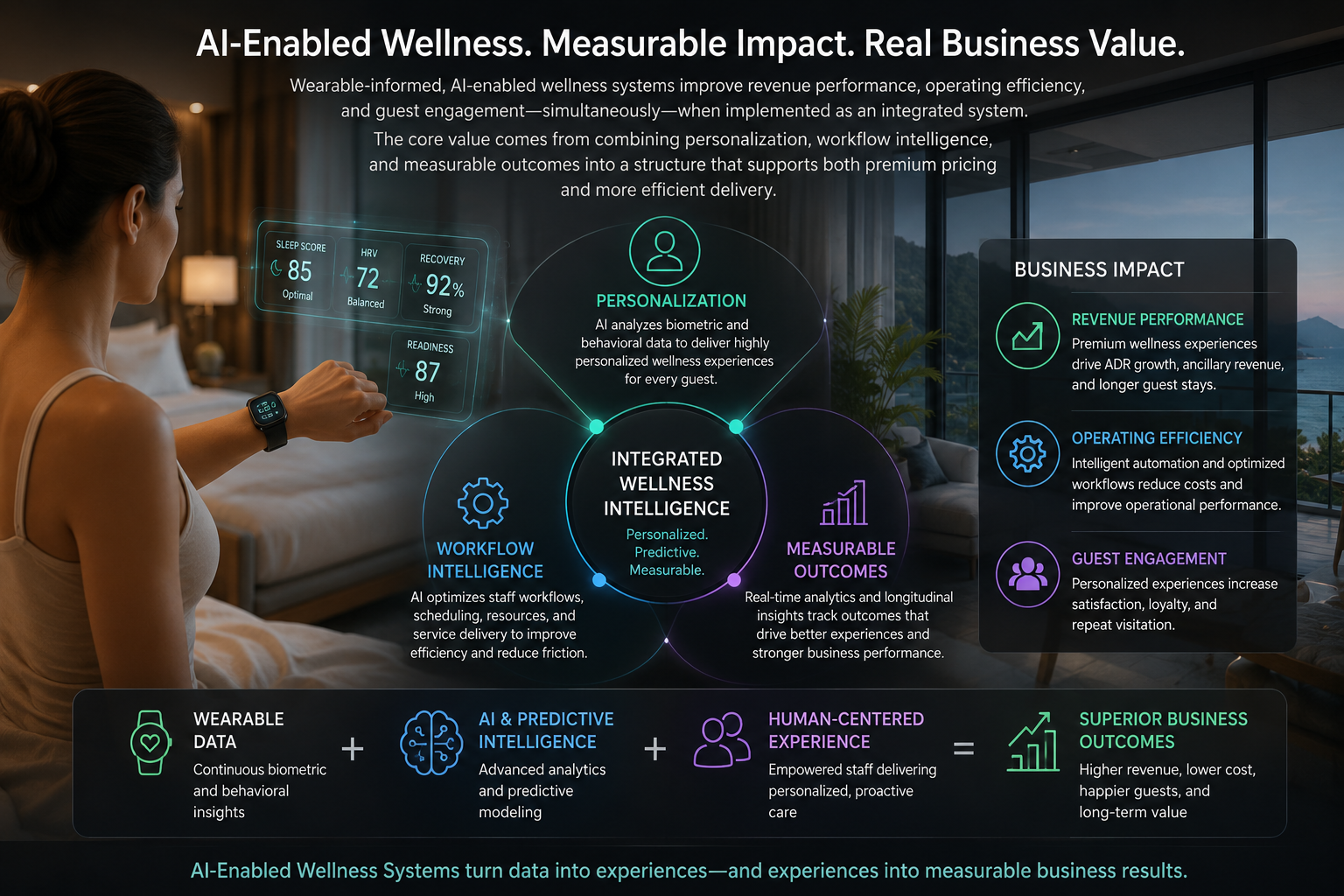
The business case for wearable-informed, AI-enabled wellness systems is no longer theoretical. These models can improve revenue performance, operating efficiency, and guest engagement at the same time when implemented as an integrated system.

The core value comes from combining personalization, workflow intelligence, and measurable outcomes into a structure that supports both premium pricing and more efficient delivery.
Revenue Growth Personalized programming can increase guest spend, package value, and lifetime relationship value.
Operational Efficiency Better targeting and coordination reduce wasted activity, staffing friction, and service inconsistency.
Guest Retention & Loyalty Results-oriented experiences create stronger repeat visitation and longer-term engagement.
Time to ROI With focused pilots and KPI discipline, many systems can move toward break-even within a practical planning window.
Strategic implication: operators that move early can capture both near-term financial gains and stronger long-term market positioning.
ROI sensitivity analysis for AI-enabled wellness systems
Figure 5. Integrated AI-powered wellness systems combine wearable biometrics, predictive intelligence, workflow automation, and personalized guest experiences to help luxury hospitality organizations improve operational efficiency, strengthen guest engagement, and create measurable business outcomes. SEO Keywords
The model underscores an important pattern: even moderate gains in personalization, efficiency, or guest adoption can compound over time. This makes the value proposition more durable than a one-time operational improvement.
Executive takeaway: ROI is strongest when guest insight, service design, and operational workflow are treated as one integrated system.
Modeled Executive Case Study

How Wearable-Driven Personalization Could Increase Revenue, Precision, and Differentiation

This representative operator scenario illustrates how a luxury wellness resort can move from static programming to physiology-informed experience design without disrupting hospitality or overwhelming staff.

Scenario

Consider a 120-key luxury wellness resort with premium spa services, guided movement offerings, recovery therapies, and a leadership team seeking stronger participation, higher ancillary revenue, and a more differentiated market position.

Initial Challenge

  • Programming quality was high, but itinerary matching was inconsistent
  • Guest plans were based on preference, not readiness or recovery state
  • Premium services were underutilized because fit was not always precise
  • Leadership lacked a practical ROI framework for personalization investment

Strategic Intervention

  • Launch a 90-day opt-in pilot
  • Use sleep, HRV, resting heart rate, and strain trends as the signal layer
  • Create three adaptive paths: recovery, balance, and performance
  • Train staff on simple readiness tiers rather than raw data interpretation
  • Measure participation, ancillary spend, guest satisfaction, and repeat intent
+14%
Program Participation
+11%
Ancillary Revenue
+18%
Guest Satisfaction
7 mo.
Modeled Payback
Executive takeaway: The economic value comes from matching the right guest to the right experience at the right physiological moment. That improves guest outcomes, service coherence, and revenue capture simultaneously.

Guest State at Arrival

Travel fatigue, poor sleep, elevated stress, or high readiness are identified through consented wearable and guest-context inputs.

Adaptive Experience Matching

Guests are routed into recovery-first, balanced, or performance-oriented pathways rather than static schedules based only on stated preference.

Commercial and Guest Outcome

Better-fit experiences increase participation, premium service uptake, and perceived personalization while reducing friction, overbooking mismatch, and staff rework.

Figure: Representative operator scenario showing how guest state, adaptive orchestration, and staff-guided delivery can create stronger outcomes for both the property and the guest.
Modeled Executive Case Study

How Wearable-Driven Personalization Could Increase Revenue, Precision, and Differentiation

This representative operator scenario illustrates how a luxury wellness resort can move from static programming to physiology-informed experience design without disrupting hospitality or overwhelming staff.

Scenario

Consider a 120-key luxury wellness resort with premium spa services, guided movement offerings, recovery therapies, and a leadership team seeking stronger participation, higher ancillary revenue, and a more differentiated market position.

Initial Challenge

  • Programming quality was high, but itinerary matching was inconsistent
  • Guest plans were based on preference, not readiness or recovery state
  • Premium services were underutilized because fit was not always precise
  • Leadership lacked a practical ROI framework for personalization investment

Strategic Intervention

  • Launch a 90-day opt-in pilot
  • Use sleep, HRV, resting heart rate, and strain trends as the signal layer
  • Create three adaptive paths: recovery, balance, and performance
  • Train staff on simple readiness tiers rather than raw data interpretation
  • Measure participation, ancillary spend, guest satisfaction, and repeat intent
+14%
Program Participation
+11%
Ancillary Revenue
+18%
Guest Satisfaction
7 mo.
Modeled Payback
Executive takeaway: The economic value comes from matching the right guest to the right experience at the right physiological moment. That improves guest outcomes, service coherence, and revenue capture simultaneously.

Guest State at Arrival

Travel fatigue, poor sleep, elevated stress, or high readiness are identified through consented wearable and guest-context inputs.

Adaptive Experience Matching

Guests are routed into recovery-first, balanced, or performance-oriented pathways rather than static schedules based only on stated preference.

Commercial and Guest Outcome

Better-fit experiences increase participation, premium service uptake, and perceived personalization while reducing friction, overbooking mismatch, and staff rework.

Figure: Representative operator scenario showing how guest state, adaptive orchestration, and staff-guided delivery can create stronger outcomes for both the property and the guest.

Tiered Longevity Experience Model

Revenue expansion is driven by structured experience tiers aligned to guest readiness and intent.

Foundational Wellness

Included / Entry
  • Basic wellness programming
  • Light personalization
  • Group activities
  • Standard spa access

Longevity Optimization

$500–$1,200 / day
  • Full biometric personalization
  • Advanced recovery protocols
  • Performance coaching
  • Post-stay continuity plan
Longevity Hospitality • AI Architecture • Wearable Intelligence

Core Technologies Powering AI-Driven Longevity Resorts

Modern longevity-focused hospitality environments are increasingly being built around integrated wellness intelligence ecosystems that combine wearable biometrics, predictive analytics, AI-driven personalization, recovery optimization, and intelligent operational systems. These technologies enable luxury resorts to create highly individualized guest experiences centered on wellness, healthy aging, performance optimization, and measurable long-term outcomes.

Wearable Biometric Monitoring

Advanced wearable technologies such as WHOOP, Oura Ring, Garmin, Apple Watch, and biometric recovery platforms provide continuous visibility into sleep quality, heart rate variability, stress levels, recovery status, activity patterns, and physiological performance indicators that support personalized wellness experiences.

AI-Powered Wellness Personalization

Artificial intelligence systems can analyze guest biometric data, behavioral patterns, wellness objectives, environmental conditions, and historical recovery trends to deliver highly personalized recommendations for fitness, nutrition, sleep optimization, spa scheduling, mindfulness, and recovery experiences.

Predictive Wellness Analytics

Predictive analytics platforms help identify wellness trends, fatigue patterns, stress indicators, recovery opportunities, and long-term behavioral changes that support proactive health optimization and personalized guest wellness journeys.

Longitudinal Wellness Intelligence

Longitudinal intelligence systems continuously analyze wellness data over time to identify evolving patterns in guest recovery, resilience, sleep quality, fitness progression, and overall wellness optimization. This creates a continuously adaptive hospitality wellness experience rather than isolated wellness interventions.

Smart Environmental Wellness Systems

Intelligent environmental systems can dynamically optimize lighting, temperature, circadian rhythms, air quality, sound environments, and sleep conditions to improve recovery, relaxation, cognitive performance, and overall guest wellbeing within luxury hospitality environments.

Integrated Health Data Ecosystems

Secure wellness ecosystems integrate wearable data, wellness applications, recovery systems, nutrition platforms, fitness tracking, guest preferences, and operational intelligence into unified AI-enabled hospitality platforms capable of delivering continuous personalization and operational coordination.

Recovery Optimization Platforms

AI-enabled recovery systems can help optimize guest sleep, stress reduction, metabolic recovery, exercise scheduling, hydration, mindfulness, and restorative therapies through continuously adaptive wellness recommendations informed by biometric data and physiological readiness indicators.

Edge AI and Real-Time Processing

Edge AI architectures allow wellness data to be processed closer to the source device, enabling faster response times, enhanced privacy, improved personalization, and real-time wellness adaptation within connected hospitality environments.

Intelligent Hospitality Operations

AI-driven operational systems help luxury resorts coordinate staffing, wellness scheduling, concierge services, guest engagement, personalized recommendations, and wellness resource allocation while improving operational efficiency and enhancing the overall guest experience.

Building the Future of Wellness Hospitality

The convergence of wearable health technology, predictive wellness analytics, artificial intelligence, and luxury hospitality is creating an entirely new category of personalized longevity-focused resort experiences. Organizations that successfully integrate these systems into cohesive wellness intelligence ecosystems may gain significant advantages in guest satisfaction, premium positioning, operational efficiency, wellness tourism growth, and long-term brand differentiation.

Operating Model Transformation

The shift to longevity-driven hospitality is not incremental—it fundamentally changes how experiences are designed, delivered, and monetized.

Traditional Model (Before)

  • Static schedules based on guest preference
  • Reactive service model
  • Low precision in experience matching
  • Underutilized premium services
  • Limited personalization scalability
  • Revenue dependent on occupancy

Longevity Model (After)

  • Adaptive itineraries based on physiological readiness
  • Proactive, insight-driven service delivery
  • High-precision experience matching
  • Increased utilization of high-margin services
  • Scalable personalization across all guests
  • Revenue driven by experience optimization
→ Strategic Shift

Per-Guest Revenue Impact Model

This simplified model illustrates how improved experience matching increases revenue per guest without introducing new services—only improving utilization and timing.

Metric Baseline With Personalization Impact
Average Stay Revenue (ADR) $850 $850
Ancillary Spend $300 $345–$375 +15–25%
Program Participation 55% 65–72% +10–17 pts
Total Revenue / Guest $1,150 $1,200–$1,225 +$50–$75

Annual Revenue Impact Bridge (120-Key Property)

Baseline Revenue $24M – $28M
Ancillary Spend Increase +$700K – $1.5M
Participation Uplift +$400K – $900K
Retention / Repeat Guests +$300K – $700K
Total Incremental Revenue: $1.2M – $2.8M

Executive interpretation: The financial impact is not driven by adding new services, but by improving the precision with which existing services are delivered. This shifts the resort from a supply-driven model to a demand-aligned model—where each guest is matched to the highest-value experience at the right physiological moment.

What Drives ROI Most (Sensitivity Analysis)

High Impact Lever

Participation rate. Small increases (5–10%) significantly amplify revenue due to high-margin wellness services.

Moderate Impact

Ancillary pricing and packaging. Premium bundling can increase yield without increasing volume.

Long-Term Value

Guest retention and repeat visits. This becomes the largest revenue driver over time.

Future Positioning

From Wellness Destination to Longevity Platform

The market is evolving from amenity-based wellness toward continuous, measurable, longevity-oriented engagement. The most forward-looking operators will not simply offer better experiences—they will build systems that support long-term healthspan, recovery, and performance.

This changes the role of the resort. It becomes not just a place to visit, but a platform for guidance, monitoring, optimization, and lasting guest relationships across the full lifecycle of wellness engagement.
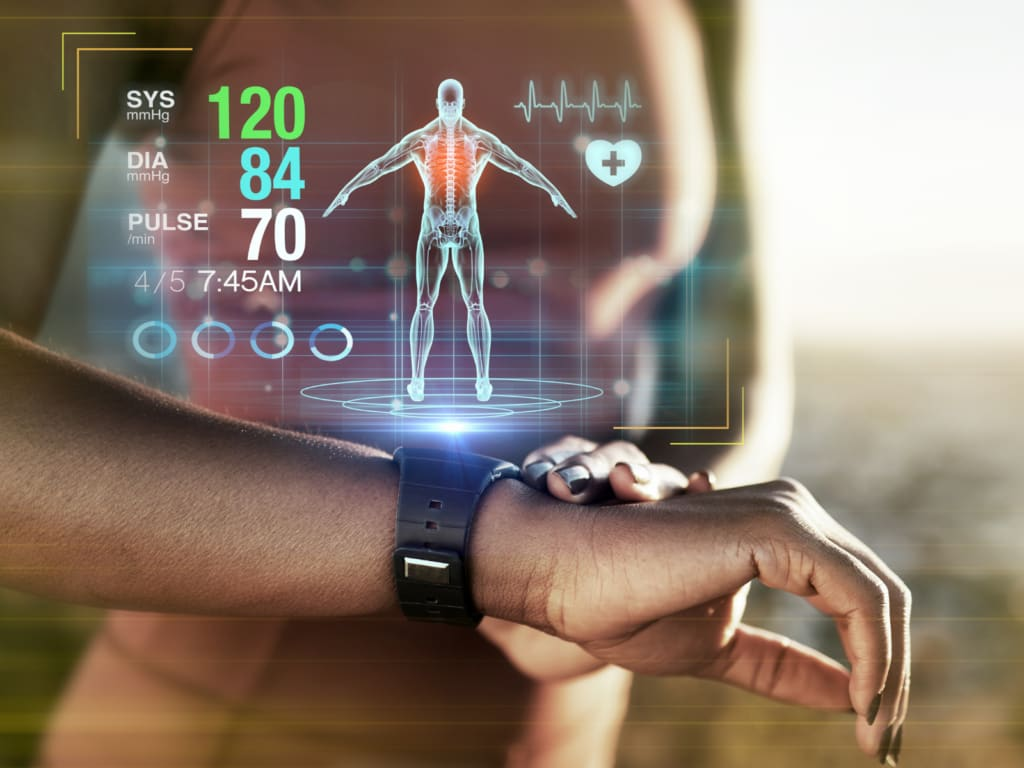
Longevity as Infrastructure Health optimization becomes embedded in service design, programming, and guest communication.
Continuous Engagement Relationships can extend before arrival and continue after departure through data and follow-up pathways.
Preventive Positioning Resorts can increasingly align around prevention, resilience, and recovery rather than episodic wellness.
Premium Differentiation The brand shifts from hospitality provider to trusted partner in long-term wellbeing.
Strategic implication: the next premium hospitality leaders will compete on measurable outcomes, continuity of engagement, and trust—not amenities alone.
Longevity positioning and future wellness ecosystem
Figure 6. The future state combines hospitality, wellness, AI, and continuous guest engagement into one longevity-oriented platform.
The long-term advantage comes from designing an ecosystem rather than a set of services. The more connected the guest journey becomes, the more value can be created before, during, and after each stay.
Executive takeaway: the strongest brands in this category will be those that translate data and trust into sustained guest outcomes.
Hospitality AI Strategy • Wellness Intelligence • Business ROI

The Business Value of AI-Driven Longevity Hospitality

AI-powered longevity hospitality represents far more than a wellness trend. It introduces a new operating model for luxury hospitality organizations built around personalization, longitudinal wellness intelligence, predictive guest engagement, operational coordination, and premium experience differentiation. Resorts that successfully integrate wearable health technology, AI-driven wellness systems, and personalized recovery experiences may create measurable advantages in guest satisfaction, retention, operational efficiency, and premium market positioning.

Premium Brand Differentiation

Luxury hospitality organizations implementing AI-driven longevity ecosystems can differentiate themselves through highly personalized wellness experiences centered on healthy aging, recovery optimization, resilience, performance enhancement, and continuous wellness intelligence. This positioning may strengthen brand perception among wellness-focused travelers and high-value guests.

Increased Guest Retention

Personalized wellness experiences supported by wearable biometrics and longitudinal guest intelligence can improve engagement, loyalty, repeat visits, and long-term wellness memberships. Resorts capable of continuously adapting experiences to guest wellness goals may develop stronger recurring relationships and increased customer lifetime value.

New Wellness Revenue Streams

AI-enabled wellness ecosystems create opportunities for premium subscription models, recurring wellness memberships, personalized recovery programs, digital wellness coaching, biometric optimization services, executive wellness experiences, and performance-focused hospitality offerings.

Operational Intelligence and Efficiency

AI systems can improve coordination across wellness operations, staffing, scheduling, guest services, concierge workflows, resource allocation, and personalized guest engagement. Intelligent operational orchestration may reduce friction while improving overall service consistency and guest satisfaction.

Data-Driven Guest Personalization

Wearable biometrics and AI-driven analytics allow hospitality organizations to personalize guest experiences at unprecedented levels of precision. Personalized sleep optimization, recovery guidance, nutrition recommendations, environmental adjustments, and wellness scheduling may significantly improve perceived guest value.

Leadership in Wellness Tourism

The global growth of wellness tourism and longevity-focused travel is creating strategic opportunities for hospitality organizations capable of integrating advanced wellness intelligence systems into luxury guest experiences. Early adoption may strengthen market positioning in a rapidly expanding hospitality category.

AI Personalized wellness intelligence and adaptive guest experiences
Data Continuous biometric insights supporting longitudinal wellness optimization
ROI Operational efficiency, retention, premium positioning, and wellness monetization
Trust Human-centered AI experiences with governance, privacy, and personalization

From Wellness Amenities to Intelligent Wellness Ecosystems

The future of luxury wellness hospitality is increasingly shifting from isolated wellness amenities toward fully integrated intelligent wellness ecosystems capable of continuously adapting to guest physiology, recovery status, behavioral trends, and long-term wellness objectives. Hospitality organizations that successfully combine wearable technology, predictive analytics, AI personalization, operational intelligence, and human-centered wellness experiences may establish significant long-term advantages in the emerging longevity hospitality market.

David Breville AI strategist and longevity-focused wellness systems advisor
Author • AI Strategy • Wellness Intelligence • Hospitality Innovation

About David Breville

David Breville is an engineer, AI strategist, and systems-focused technology advisor with more than 40 years of experience spanning advanced technology integration, high-tech systems architecture, healthcare innovation, and strategic communications. Through Athena Fusion Solutions, he works at the intersection of artificial intelligence, wearable technology, longitudinal wellness intelligence, and human-centered hospitality transformation.

His work explores how AI-enabled wellness ecosystems, biometric intelligence, predictive analytics, and intelligent operational systems can help luxury hospitality organizations create personalized longevity-focused guest experiences while improving operational coordination, measurable outcomes, and long-term strategic positioning.

David also brings a personal performance and wellness perspective to this field as a former competitive endurance athlete and advocate for healthy aging, wearable-driven recovery optimization, and AI-supported wellness innovation. His approach combines systems engineering, operational strategy, human-centered design, and measurable business value to help organizations navigate the future of intelligent wellness hospitality.

AI Systems Strategy

Focused on intelligent ecosystems integrating AI, predictive analytics, workflow orchestration, wearable health intelligence, and operational transformation.

Wellness and Longevity Innovation

Special interest in wearable biometrics, healthy aging, recovery optimization, wellness personalization, and longitudinal wellness intelligence systems.

Human-Centered Hospitality AI

Advocates for AI systems that enhance guest experience, preserve human connection, improve operational efficiency, and create measurable business outcomes.

Longevity Hospitality • Wearable AI • Wellness Intelligence

Frequently Asked Questions About AI-Powered Longevity Resorts

AI-powered longevity resorts combine wearable technology, predictive wellness analytics, personalized recovery systems, and intelligent hospitality operations to create highly individualized wellness experiences. These systems are increasingly becoming a differentiator in luxury hospitality, preventive health tourism, and wellness-focused resort strategy.

What is a longevity-focused resort?

A longevity-focused resort is a wellness-oriented hospitality environment designed to improve long-term health, recovery, resilience, sleep quality, fitness, stress management, and cognitive performance. These resorts often integrate wearable health technology, AI-driven wellness analytics, personalized recovery programs, nutrition optimization, and advanced wellness services to create measurable health outcomes for guests.

How is AI used in luxury wellness resorts?

Artificial intelligence in luxury wellness hospitality can analyze wearable biometric data, personalize wellness recommendations, optimize guest experiences, automate operational workflows, improve staffing efficiency, and support predictive wellness programs. AI systems may also help resorts deliver personalized sleep optimization, recovery scheduling, nutrition guidance, and stress-reduction experiences tailored to individual guest profiles.

What wearable technologies are used in longevity hospitality?

Longevity-focused resorts increasingly use wearable technologies such as WHOOP, Oura Ring, Garmin, Apple Watch, sleep monitoring systems, HRV tracking devices, metabolic monitoring tools, and biometric recovery platforms. These devices provide continuous wellness intelligence that supports personalized hospitality experiences and data-driven health optimization.

How can wearable data improve guest wellness experiences?

Wearable health data allows hospitality organizations to personalize wellness programs using real-time biometric insights such as sleep quality, recovery status, heart rate variability, activity levels, and stress indicators. Resorts can use this information to deliver customized fitness programs, recovery recommendations, spa scheduling, nutrition guidance, and restorative experiences aligned with guest wellness goals.

What is longitudinal wellness intelligence?

Longitudinal wellness intelligence refers to the continuous collection and analysis of health and lifestyle data over time to identify trends, optimize wellness outcomes, and personalize experiences. In hospitality environments, longitudinal intelligence enables resorts to create evolving wellness journeys that improve personalization, guest engagement, retention, and long-term wellness optimization.

Can AI personalize hospitality wellness programs?

Yes. AI systems can personalize wellness programs by analyzing biometric data, guest preferences, recovery trends, behavioral patterns, environmental conditions, and wellness objectives. Personalized AI-driven hospitality experiences may include adaptive fitness programs, nutrition planning, sleep optimization strategies, recovery scheduling, and intelligent concierge recommendations.

Why are longevity resorts becoming important in luxury hospitality?

Luxury travelers increasingly prioritize wellness, preventive health, recovery, performance optimization, and healthy aging experiences. Longevity-focused hospitality environments help resorts differentiate themselves through premium wellness offerings, personalized experiences, measurable wellness outcomes, and recurring high-value guest engagement opportunities.

What are the business benefits of AI-powered wellness hospitality?

AI-powered wellness hospitality can improve guest satisfaction, increase repeat visits, strengthen premium brand positioning, create new wellness revenue streams, optimize staffing efficiency, support operational intelligence, and enhance guest personalization. Resorts implementing intelligent wellness ecosystems may also benefit from higher retention, stronger loyalty programs, and data-driven service optimization.

Next Step

Evaluate wearable-informed personalization at your property

Define the opportunity, shape the pilot, and outline the roadmap with a leadership-level advisory conversation grounded in measurable outcomes, governance, and human-centered deployment.

Internal Resources

Featured Insights, Research & Downloads

Start with the executive overview, then move into the deeper guides, currently available executive insights, and white-paper material that support the strategy behind this page.

Resource Hub
Resource Center
Central library for guides, frameworks, and strategic research
Use this as the main navigation point for advisory content, longer-form resources, and supporting material across hospitality, wellness, and AI strategy.
Executive Insights
Executive Insights
Published insights on AI strategy, automation, wellness, and hospitality modernization
A practical stream of currently available thought leadership and advisory content that extends the ideas introduced on this page.
White Paper
Request Full White Paper
Executive framework for integrated hospitality and AI
Use the homepage white-paper call-to-action as the primary path for requesting the full long-form paper and related premium material.
Executive PDF
Download Executive Summary
Leadership-ready overview of strategy, value, and implementation direction
Ideal for executives who want a concise summary before moving into the full white paper or advisory discussion.
Published Insight
The Future of Golf with Generative AI
Guest personalization, operations, and strategic differentiation in premium resort environments
Relevant for resort operators evaluating how AI can enhance premium experiences without eroding service quality or brand positioning.
Small Business
AI Automation for Small Business
Practical automation opportunities, workflows, and operating leverage
Useful for readers who want to see how strategic AI advisory can translate into repeatable process automation and measurable small-business impact.
Operational Insight
7 Core Principles of Prompt Engineering
Turning AI from a creative experiment into a repeatable operational asset
Useful for leadership teams thinking beyond strategy into internal enablement, governance, prompt discipline, and scalable operating practices.
Reference Library

Selected External References

Curated sources supporting the market context, hospitality strategy, AI governance posture, and risk-management principles behind this page.

The executive summary provides an immediate entry point for leadership review, while the full white paper expands the framework with deeper operating logic, architecture patterns, and implementation guidance. A proprietary appendix with more detailed technical, workflow, and enterprise-architecture material can remain gated behind NDA for qualified discussions.

Explore the broader AI framework behind wearables, recovery intelligence, personalization, and next-generation resort design

Continue Exploring AI Strategy & Technical Foundations
AI Strategy for Luxury Resorts — Athena Fusion Solutions
Athena Fusion Solutions — Hospitality & Wellness

AI Strategy for
Luxury Resorts

Executive frameworks, operational playbooks, ROI models, and experience design systems built specifically for luxury hospitality leaders navigating AI adoption.

5
Articles live
5
Subsets
7
Coming soon
Start here by role
👥
HR / people leader
Workforce & culture transformation
Live →
Why Most AI Projects Fail & How to Fix Them Live
The Future of Golf with Generative AI Live
Crossover articles — where hospitality meets healthcare & finance
These articles apply across verticals and link back to this hub.
Lifestyle Monitoring AI & Insurance soon Every Patient Becomes an Athlete in Recovery soon Wearable Data as Revenue soon AI ROI Unified Framework soon
Executive Perspective • Longevity Hospitality • AI Strategy

The Future of Luxury Hospitality Will Be Built Around Measurable Human Outcomes

The convergence of wearable intelligence, predictive wellness analytics, AI-enabled personalization, and longevity-focused service design is creating a new category of hospitality experience. Organizations that move early may establish significant advantages in premium positioning, guest loyalty, wellness differentiation, and operational intelligence.

Athena Fusion Solutions helps hospitality organizations evaluate this transition through a strategic, human-centered, pilot-first approach focused on personalization, operational feasibility, measurable ROI, and intelligent wellness ecosystem design.

The result is a clearer path from concept to execution — connecting wearable intelligence, AI systems, wellness personalization, and operational strategy into a cohesive framework for next-generation longevity hospitality.

Executive Resource • Longevity Hospitality • AI Wellness Strategy

Download the Executive Guide to AI-Driven Longevity Hospitality

Explore how wearable intelligence, predictive wellness analytics, AI-enabled personalization, and longitudinal wellness systems are reshaping the future of luxury hospitality and wellness tourism.

This executive briefing outlines the emerging business case for AI-powered longevity resorts , including personalization strategies, operational intelligence frameworks, wearable-informed guest experiences, wellness ecosystem architecture, and measurable business value opportunities.

Download Executive PDF
PDF Resource • AI Strategy • Wearable Wellness Intelligence • Luxury Hospitality Innovation